
IFATFRST
That was the license plate on the car in front of us. My mind instantly read it as, “I Fat First.” I was puzzled why anyone would want that advertised on their car! Then I realized it was supposed to be, “If at First…” an abbreviation of the well known proverb circulating since the 1800s1, “If at first you don’t succeed, try, try again.”
After a bit of a laugh at my mistake, the saying got my mental wheels turning.
The phrase “if at first…” was originally published in a teacher’s manual, then used in a song written by Edward Hickson2. The aphorism eventually became so popular that it was applied to a range of activities beyond schoolwork.
Here is a verse from Edward Hickson’s song:
‘Tis a lesson you should heed–
Try again;
If at first you don’t succeed,
Try again.
Then your courage should appear;
For if you will persevere,
You will conquer, never fear,
Try again.
Notice in this song that courage comes after continued attempts! You do not first muster up courage, then try again at the daunting task. Rather, you must repeatedly attempt the task, and that perseverance creates an environment for courage to be born. And yet, your emotional state during these attempts is open to interpretation – you could be angry, sad, happy or confused while you try again. You could be experiencing any emotion while trying again. The important part of the equation is simply that you sincerely try again. And, through repeated attempts, you will develop courage.
 I’ve been studying yoga from my teacher, Dharma Mittra, for over 17 years. Frequently, Dharma will instruct us to use “angry determination” when striving to progress in a particularly difficult Asana. I always wondered why “angry” had to be part of the equation. Why not simply, “determination?” Especially since anger seems to be an emotion not welcome in most Yoga circles. I never asked Dharma this question, so I don’t have his answer. But I wonder if tapping into anger is a tool he personally used to overcome the hesitations of the mind, and to sincerely persevere? Rather than scorn and try to abolish angry feelings when they arise, why not harness them to encourage self-improvement? Let’s not forget, courage is the root of encourage.
This first verse of the song also brings up one of the reasons why we need encouragement to “try again”: fear of failure. You will conquer, never fear…
How often do we half-heartedly try at a task because we’re afraid to fail? Painful memories of past failures teach us to hold back a little, so that we can feel we are in control the whole time, and thus avoid experiencing another crushing disappointment.
 The song continues…
Once or twice though you should fail,
If you would at last prevail,
Try again.
If we strive, ’tis no disgrace
Though we did not win the race–
What should you do in that case?
Try again.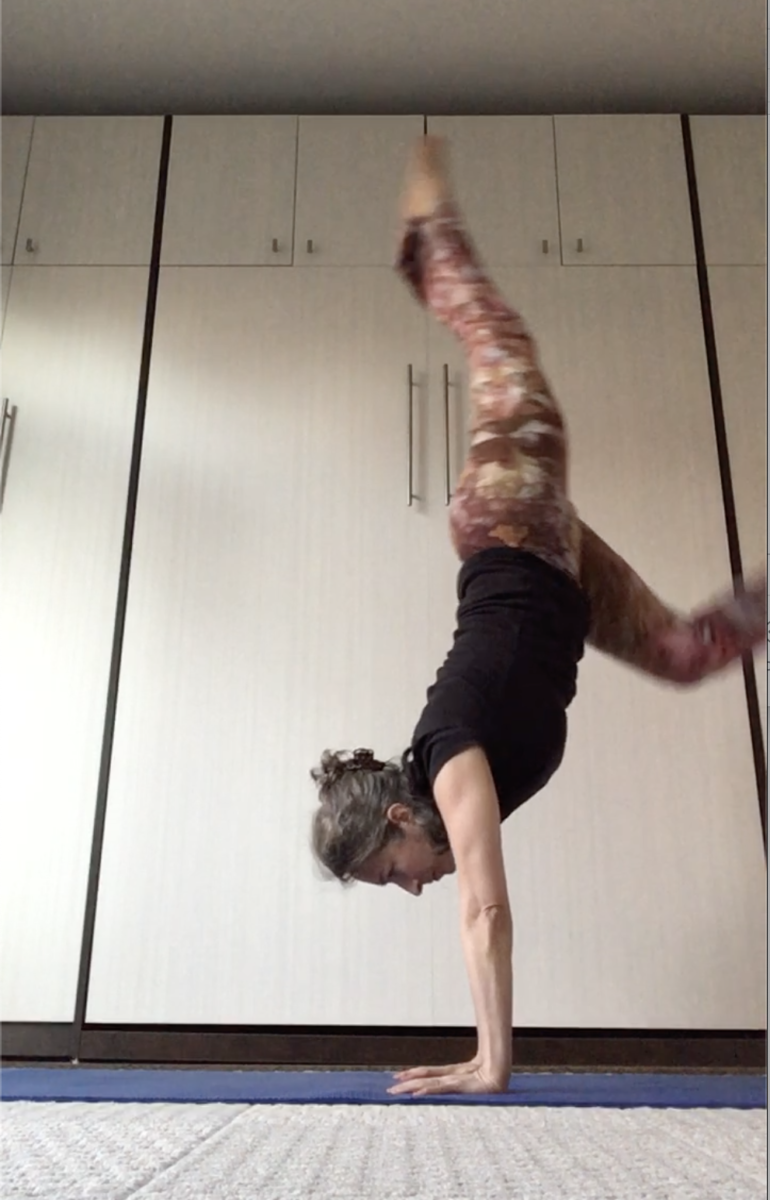
Let’s remember that there is no disgrace in “not winning.” Sure, failure isn’t fun. But one of the main reasons why we don’t like failure is that not-succeeding while others are watching is so painful to endure. Take for example the mistake I made reading the license plate, IFATFRST. Because I was in the car with my husband, whom I feel comfortable with, I made a mistake, we laughed at it, and I “tried again” to understand, which led me to the correct understanding. How do you think the situation would have been different if I had made the same 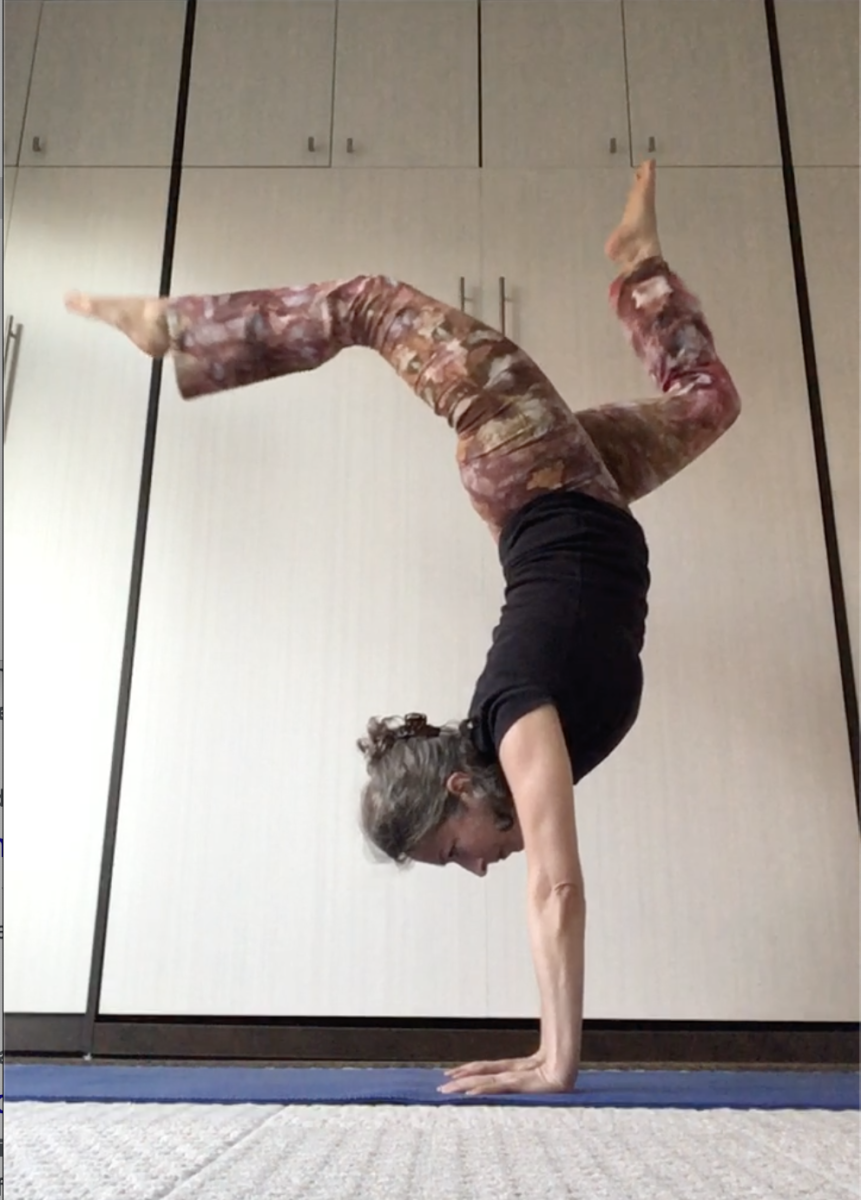 mistake reading the letters on the internet and typing my thoughts of confusion out for others to see? We can all predict the types of responses I’d get. People are rarely kind on the internet, and too many people are quick to “prove” how smart they are, or how superior they are, “trolling” and belittling people as they go about it. Most likely, I would not have tried again.
The fear of shame and embarrassment frequently holds us back from taking action or expressing 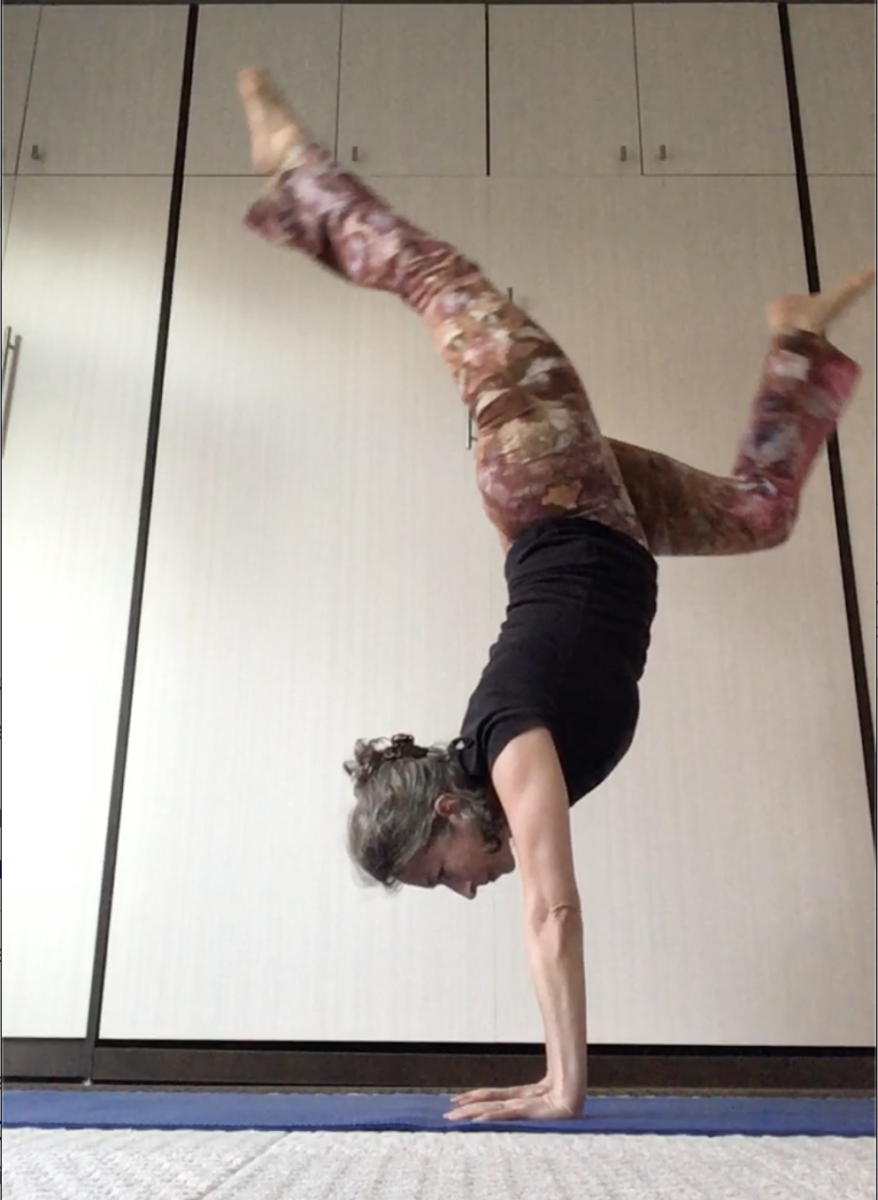 our thoughts. Even when fear is a rational response to the situation, it is still fear itself that stops us from continuously trying to succeed. Fear is an internal process and inner perception that stops us from trying, not an external barrier (outside of our own body and mind).
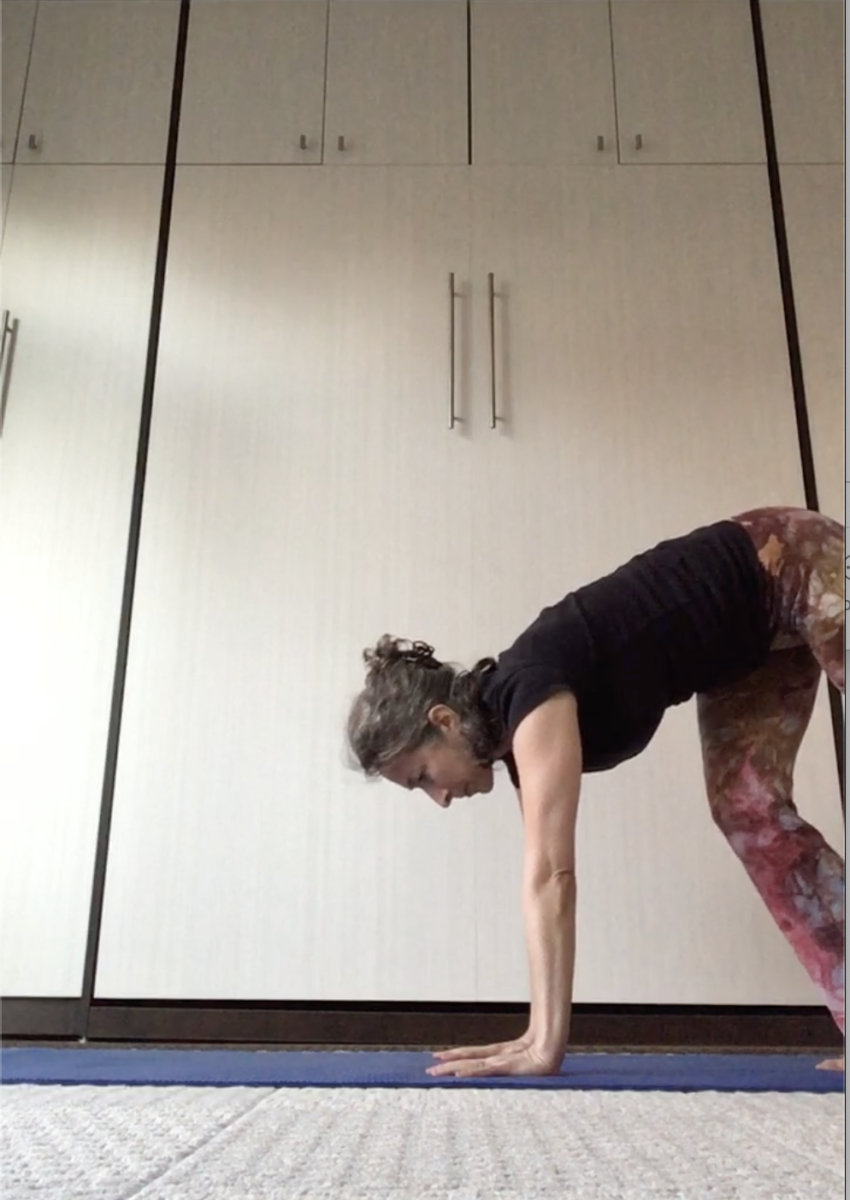
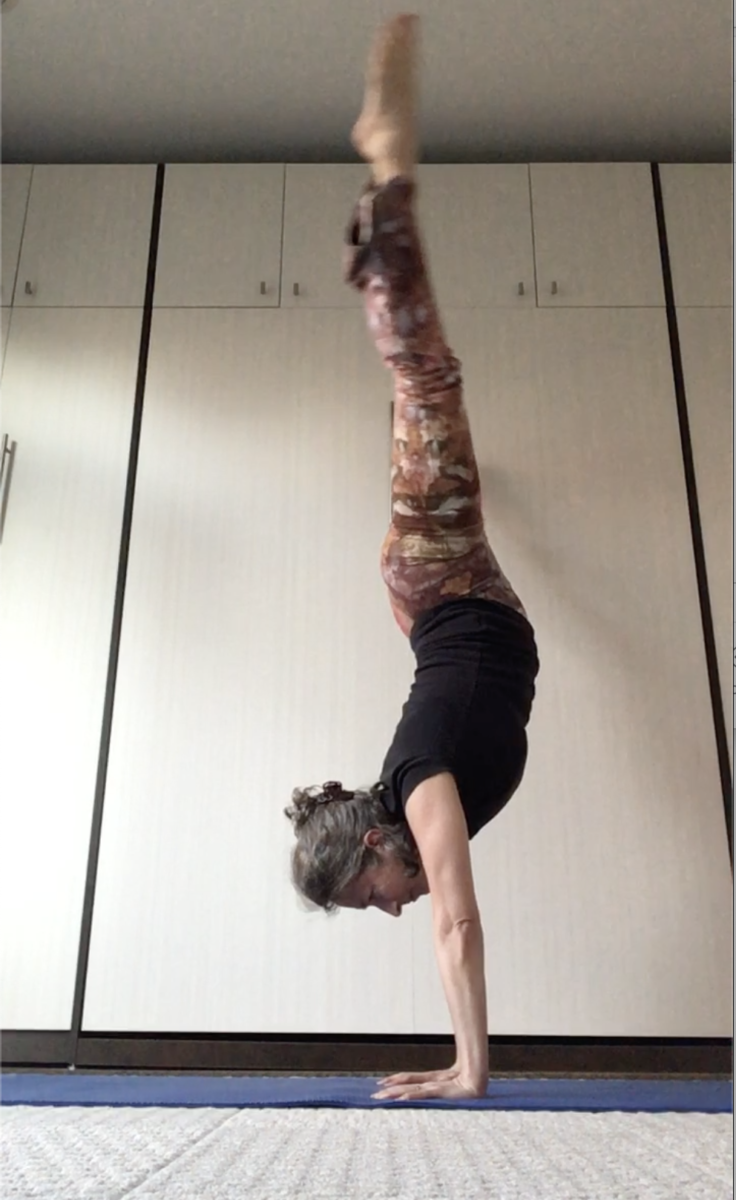
Through my more than 20 years of teaching Yoga, I’ve seen many students be afraid of going upside-down. Let me share with you the steps I use as a teacher to help guide students through, and eventually past, their fear of inverting.
First, I confirm in my own heart and breath that the student is going to be fine. Then, I let the student know there is no time limit for attaining the goal. Next, I make sure to be physically present for the student, in 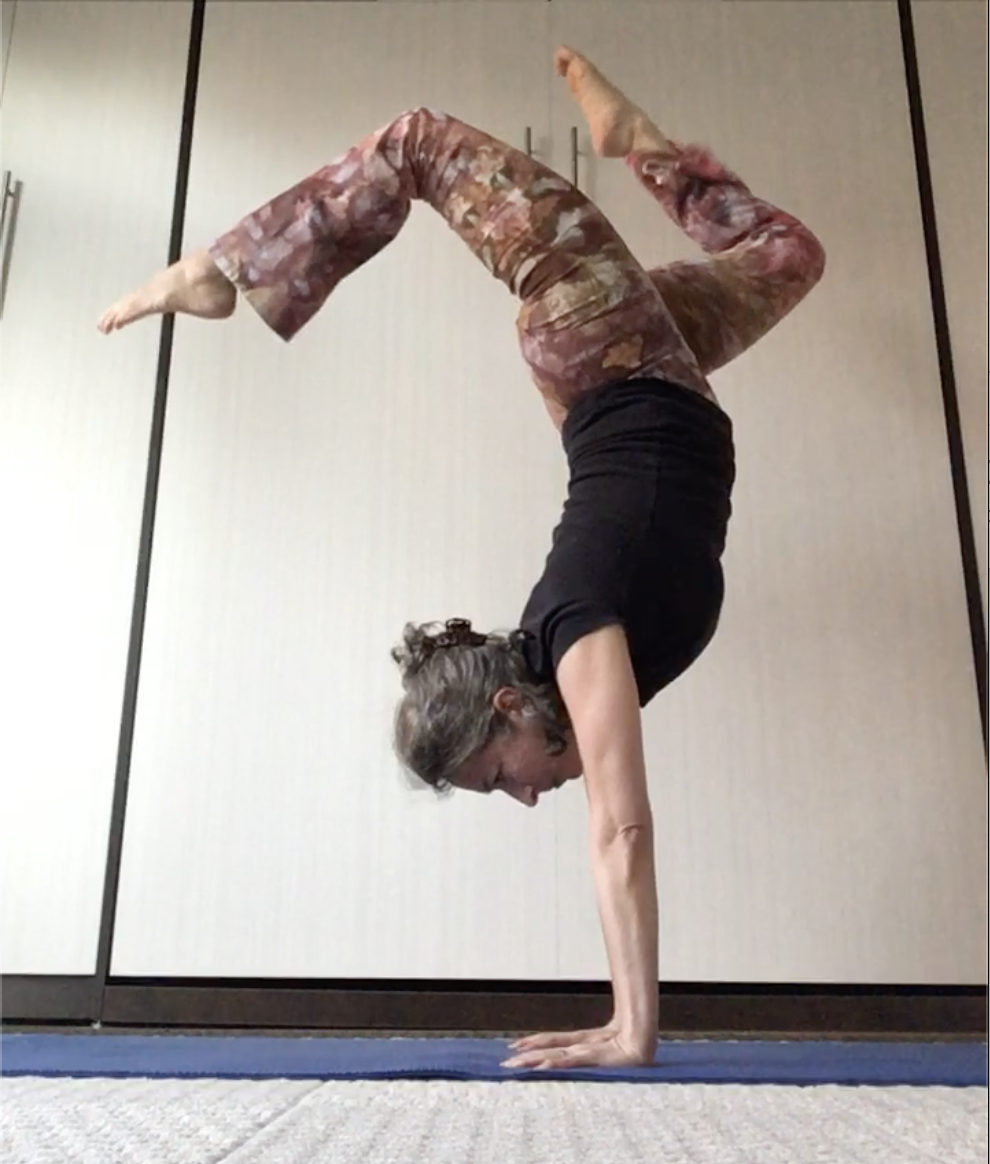 case they need me as a wall, or some other support. And lastly, I guide the student through all the steps that don’t scare them, stopping at the first step that does scare them, and we wait. Eventually the student gets so familiar with being and staying at the face of the step that scares them, that their mind eventually grows comfortable or bored, and they wish to try the next step. Sometimes this breakthrough happens that day, and sometimes the student comes back to try again in a successive Yoga class.
 Perhaps the goal you’re working on right now is not an external, physical goal, and maybe you don’t have someone who can be a “guide” for you. But, the essence of the four steps I use as a Yoga teacher can also be applied internally by your own mind:
- Remind yourself that success is a possibility.
- Don’t put extra pressure on yourself with a deadline.
- Explore the possible things that can go wrong and set up safeguards for those.
- Allow yourself to do part(s) of the goal, perhaps achieving the larger goal only after several returns to the task.
If you follow those 4 steps, you’ll learn how to redefine your goals into several achievable, smaller goals, and keep your mind focused on the present moment, rather than a future, gigantic, scary goal. Your pathway then becomes a series of successes on your way to a bigger goal.
If you find your task is hard.
Try again;
Time will bring you your reward,
Try again;
All that other folk can do,
Why with patience should not you?
Only keep this rule in view,
Try again.
This verse eloquently reminds us that at the very core of our being, all humans are alike. And if others before us have succeeded, we have the potential to succeed, too. These days, we’re so used to instant success and instant gratification that we forget human development and growth takes many, many years. After all, it takes us around 20 years to become an adult! And that’s with daily growth. There wasn’t one day during your youth that your body “took a day off” from its metabolic functioning. Therefore, don’t give up on your tight hamstrings after only a few months of weekly Yoga mat practice.
Only keep this rule in view…
Don’t worry about your desired end result right now. Stay fully engrossed in each moment, every step along the journey.
Just simply, try again.
References:
1 (https://www.phrases.org.uk/bulletin_board/5/messages/266.html)
2 (https://www.bookbrowse.com/expressions/detail/index.cfm/expression_number/586/if-at-first-you-dont-succeed-try-try-again)
